Muira Puama & Catuaba, Explained
Muira Puama and catuaba are two traditional South American botanicals with long histories in vitality formulas, but far less mainstream recognition than ingredients like ashwagandha or maca.
Worth understanding both what they traditionally do and how thin the modern research base actually is compared to better-known ingredients.
Muira Puama: the 'potency wood'
Muira Puama is derived from a shrub native to the Amazon rainforest, traditionally referred to as potency wood. See the WebMD overview. It has a long history of traditional use for male vitality, libido and general stamina, though modern clinical research specifically on Muira Puama is considerably more limited than for better-studied botanicals.
Catuaba: the circulation-focused bark extract
Catuaba comes from the bark of a Brazilian tree and carries a traditional association with circulation, physical stamina and a general sense of vigour. See the overview of catuaba. As with Muira Puama, the modern research base is thinner than for more mainstream vitality ingredients.
Why thinner research does not automatically mean ineffective
What this means for expectations
Including less mainstream botanicals like these is not necessarily a red flag, but it does mean you are relying more on traditional-use history and less on modern clinical trial data than you would with a more extensively studied ingredient.
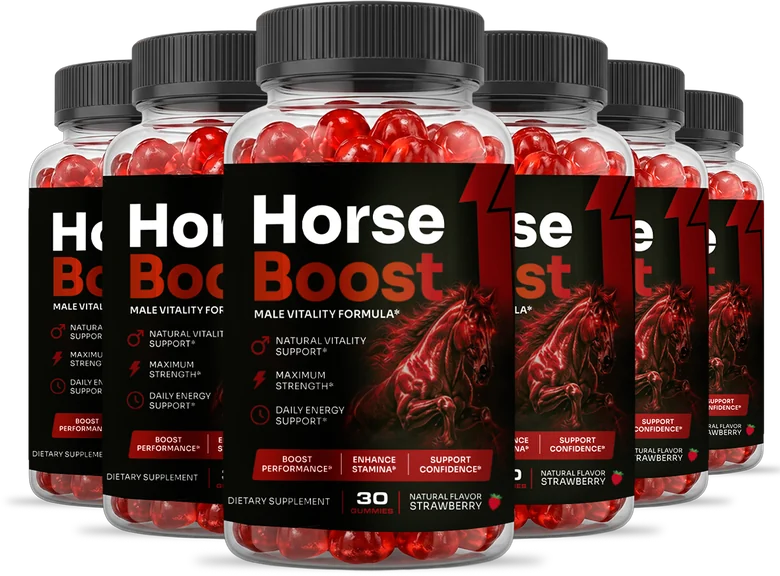
Applying this to HorseBoost
Muira Puama and catuaba sit alongside eight other named ingredients in HorseBoost's formula, contributing to the traditional vitality and circulation angles respectively. As with the rest of the formula, exact amounts are not disclosed.