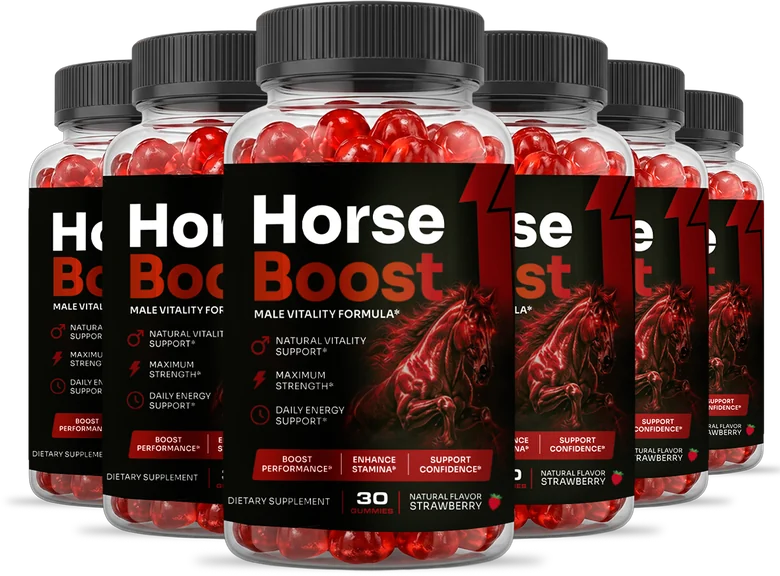
Why Only 5mg Of Caffeine? The Honest Math
A typical cup of coffee contains roughly 95mg of caffeine. HorseBoost declares 5mg per gummy — about a nineteenth of that amount.
That is either a meaningless marketing footnote or a genuinely deliberate design choice, depending on what the rest of the formula is doing.
The comparison, laid out plainly
A standard 8oz cup of brewed coffee contains approximately 95mg of caffeine. An energy drink often runs 80–150mg per can. A typical pre-workout supplement can contain 150–300mg. HorseBoost's declared 5mg is a fraction of even the lowest end of that range — roughly a nineteenth of a single cup of coffee.
Why declare such a small amount at all
Two possibilities are worth considering. First, the amount may be genuinely functional at a very low dose alongside the formula's other ingredients, more as a mild complement than a primary driver. Second, and more cynically, some products include a token amount of a well-known ingredient partly so it can appear on the label at all.
What makes HorseBoost's approach notable is that the amount is declared rather than folded into an undisclosed blend — whatever the reasoning, at least you can see the number rather than guess at it.
The spike-and-crash problem this avoids
What this means for caffeine-sensitive buyers
If you are specifically trying to avoid caffeine's jittery side effects, HorseBoost's 5mg figure is genuinely reassuring — it is close enough to zero that most people will not notice a stimulant effect from it at all.
Applying this to HorseBoost
Caffeine is one of only two ingredients in HorseBoost's ten-item formula with a declared amount, alongside sodium (4mg). The other eight, including the traditional vitality botanicals doing most of the formula's conceptual heavy lifting, are not quantified.